

 An Open Letter to University Presidents




3 min read


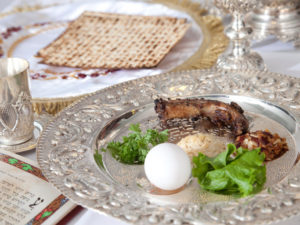
The square matzah or the round matzah: What shall you eat?
No holiday has as much halachic literature published concerning it as Passover. And the questions under discussion reflect Jewish life throughout the centuries and in all of the countries and circumstances of the long Jewish exile.
In the middle 1850's, as the Industrial Revolution gained momentum in Central and Eastern Europe, an ingenious inventor in the Austro-Hungarian Empire created a machine to bake matzot. Until that time, matzot were always baked by hand. They were usually round in form and no two matzot were exactly the same in size, color and even consistency.
Many times, the matzot were baked by each family individually, though by the early part of the 18th century there were many commercial matzah bakeries throughout the Jewish world. The matzah baking in those bakeries was done by hand and almost all of the workers were women. Most of the women were widows who were able to live (survive is a better word) the rest of the year on the money they earned in the months of matzah baking.
The work was physically very demanding and tension laden, since the matzah had to be completely baked within 18 minutes of the time that water touched the flour at the beginning of the kneading process. The rabbinic literature of the ages is replete with warnings to owners of matzah bakeries not to exploit or verbally abuse the women workers especially those who were widows.
The invention of the matzah-baking machine raised a furor in the rabbinic world. Great rabbis permitted the use of the matzah-baking machine and in fact preferred its products to the hand-baked matzot. The machine did not get tired at 4 in the afternoon, its products were uniform and well-baked, and the machine suffered naught from any remarks addressed to it. It also allowed for lower prices for matzah, and produced far greater amounts of matzah to be distributed for the Passover holiday. However, there was determined rabbinic opposition to the new matzah-baking machine.
The main objections to the matzah-baking machine were two. One was the social and economic dislocation that new technology always creates to individuals trapped in the old way of doing things. The rabbis who opposed the matzah baking machine came to the defense of the poor women, especially the widows, who were rendered redundant by the use of the new machine. Such social concerns are an integral part of all rabbinic literature throughout the ages, no matter what the actual issue involved.
The second objection dealt with the fact that small bits of dough could remain in the machine for longer than 18 minutes, and thus became chametz -- and could potentially find its way into the matzah itself being baked in the machine.
Most of the chassidic communities in Eastern Europe refused to use the machine-made matzot on Passover. However, machine matzot gained popularity amongst the rest of the Jewish society, especially in the United States and Israel.
Great technological improvements in matzah-baking machines have occurred over the century and a half since its introduction, so that none of the objections to the original matzah machines are really valid today.
Nevertheless, there are yet large numbers of Jewish families that use hand-baked matzot today, especially for the Seder itself. It is obvious that our ancestors did not use machine-baked matzah when they left Egypt, and thus the tradition of eating hand-baked matzot has its place today, even in our technologically advanced world, as a symbolic reminder of the Exodus from Egyptian bondage.
Article from http://www.rabbiwein.com/